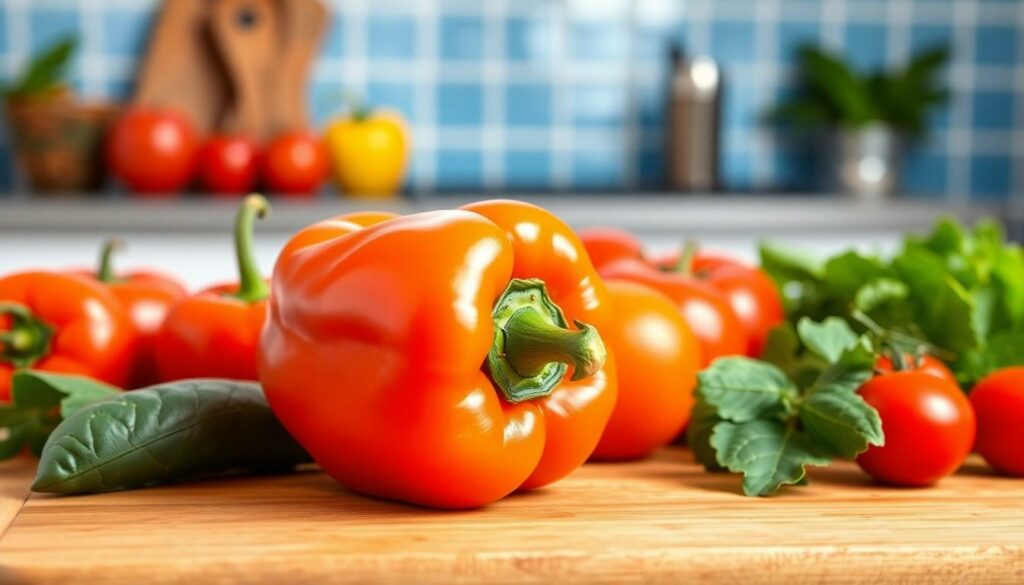
Orange peppers aren’t just a pretty face in the vegetable aisle; they pack a nutritional punch that’ll make your taste buds dance! With their vibrant hue and sweet crunch, these colorful gems are a delicious way to boost your health. Who knew that adding a splash of color to your plate could also mean adding vitamins, minerals, and antioxidants?
Overview of Orange Pepper Nutrition
Orange peppers pack a nutritious punch with a variety of vitamins and minerals. They contain significant amounts of vitamin C, contributing 158% of the daily recommended intake per 100 grams. This vitamin plays a vital role in immune function and skin health.
Moreover, orange peppers are rich in vitamin A, which supports vision and skin maintenance. A 100-gram serving provides approximately 31% of the daily value, thanks to the high beta-carotene content. Antioxidants, such as capsanthin and quercetin, also feature prominently in their nutritional profile. These compounds help combat oxidative stress.
Fiber content stands out in orange peppers as well, providing 2.1 grams per 100 grams. Fiber promotes digestive health and aids in maintaining stable blood sugar levels. Potassium, another essential mineral found in orange peppers, helps regulate blood pressure. Each serving delivers around 332 mg, crucial for maintaining cardiovascular health.
In addition, folate is present in orange peppers, offering 10% of the daily recommended amount in a 100-gram serving. This vitamin plays a key role in cell division and is particularly important during pregnancy. Incorporating orange peppers into meals not only enhances flavor but also enriches the diet with these essential nutrients.
Overall, orange peppers contribute diverse vitamins, minerals, and antioxidants, making them a valuable addition to any healthy diet. Their vibrant color and sweet taste serve to enhance both nutrition and meal enjoyment.
Nutritional Profile
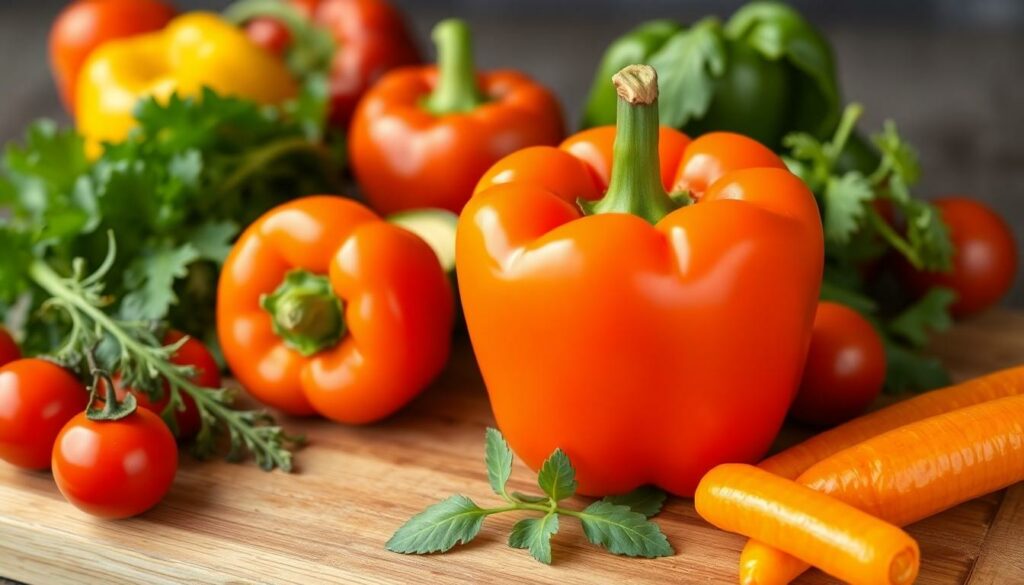
Orange peppers provide a rich nutritional profile that supports overall health. Their vibrant color not only enhances meals but also signals an abundance of vitamins and minerals.
Vitamins and Minerals
Orange peppers are a powerhouse of vitamins. They deliver 158% of the daily recommended intake of vitamin C per 100 grams, enhancing immune function and skin health. Significant amounts of vitamin A also support vision and skin maintenance. Folate plays a crucial role in cell division, especially during pregnancy, while potassium aids in regulating blood pressure. Furthermore, the presence of antioxidants like capsanthin and quercetin helps protect against oxidative stress.
Macros: Carbohydrates, Proteins, and Fats
Carbohydrates make up the bulk of orange peppers, providing energy and totaling 6 grams per 100 grams. Moderate protein content contributes 0.6 grams, supporting muscle health and maintenance. Minimal fat is present, with only 0.2 grams, making these peppers a low-calorie option. Fiber content stands at 2.1 grams, promoting digestive health and maintaining stable blood sugar levels. Together, these macronutrients align to create a nutritious food choice for a balanced diet.
Health Benefits of Orange Peppers
Orange peppers offer various health benefits due to their rich nutrient profile. Their vibrant color signals a high concentration of beneficial compounds.
Antioxidant Properties
Orange peppers possess impressive antioxidant properties, thanks to the presence of compounds like capsanthin and quercetin. These antioxidants help neutralize free radicals, reducing oxidative stress in the body. High levels of vitamin C in orange peppers also contribute to their antioxidant capacity, providing 158% of the daily recommended intake per 100 grams. Regular consumption can bolster immune function and protect against cellular damage associated with chronic diseases. By integrating orange peppers into meals, individuals can enhance their antioxidant intake, promoting overall health.
Anti-Inflammatory Effects
The anti-inflammatory effects of orange peppers stem from their unique phytochemical composition. Quercetin, present in these peppers, plays a crucial role in mitigating inflammation. Studies show that antioxidants can lower inflammation markers in the body, contributing to reduced risk of chronic conditions. With significant vitamin C content, orange peppers further support the immune system and help manage inflammation. Including them in the diet not only adds flavor but also supports long-term health benefits through their anti-inflammatory properties.
Culinary Uses of Orange Peppers
Orange peppers are versatile and add color and flavor to a variety of dishes. They can be enjoyed raw or cooked, depending on the desired texture and taste.
Raw vs. Cooked
Raw orange peppers provide a crisp texture and a sweet, refreshing taste. Salads and vegetable platters benefit from their vibrant color and flavor. Meanwhile, cooking orange peppers intensifies their sweetness and softens their texture, making them an excellent addition to stir-fries and soups. Grilling can enhance their smoky flavor, while roasting brings out their natural sweetness. Health benefits remain intact whether they’re consumed raw or cooked.
Pairing with Other Ingredients
Orange peppers pair well with various ingredients, enhancing meals with their sweetness. They complement proteins such as chicken, fish, and tofu exceptionally well. When combined with grains like quinoa or brown rice, they add both flavor and nutrition. Furthermore, orange peppers work harmoniously with herbs and spices, bringing dishes to life. A combination with garlic and basil creates a delicious medley in pasta dishes. Exploring these pairings reveals endless culinary possibilities with orange peppers.
Orange peppers stand out not just for their vibrant color but also for their impressive nutritional profile. Packed with essential vitamins and antioxidants they play a crucial role in promoting overall health. Their versatility in the kitchen allows for creative culinary uses that can enhance any meal.
Incorporating orange peppers into daily diets can lead to improved immune function and digestive health while also providing a delicious way to enjoy a variety of dishes. By embracing these nutrient-rich peppers individuals can elevate their meals and support their well-being.