Table of Contents
ToggleRisotto: the creamy, dreamy dish that turns any dinner into a cozy Italian escape. But beyond its rich texture and comforting flavors, this beloved classic packs a surprising nutritional punch. While many might think of risotto as just a guilty pleasure, it’s time to unveil the hidden health benefits that can make it a star on your dinner plate.
Overview of Risotto Nutrition
Risotto serves as a source of essential nutrients and energy. The primary ingredient, Arborio rice, contains approximately 80 grams of carbohydrates per 100 grams, providing the body with a vital energy source. Additionally, the fiber content in risotto can contribute to digestive health, especially when whole grains are used.
Protein plays a significant role in risotto, particularly when combined with additions like vegetables, seafood, or poultry. A typical serving may contain around 10 grams of protein, depending on these ingredients. For those looking for lower-fat options, using lean meats or incorporating plant-based proteins aids in achieving balanced nutrition.
Fats present in risotto come from added ingredients, such as olive oil or cheese. Though fats contribute to calorie content, healthy fats help in nutrient absorption. Typical fat content may vary, but incorporating heart-healthy oils can enhance the overall nutritional profile.
Vitamins and minerals also play a crucial role. Risotto cooked with vegetables can boost levels of vitamins A, C, and K while providing key minerals like magnesium and potassium. A colorful medley of veggies ensures a wider range of nutrients, making the dish not only tasty but nutritious.
Caloric content is another consideration. A standard serving of risotto contains about 200 to 300 calories, depending on ingredients and portion sizes. Monitoring portion sizes enables a satisfying meal without excessive calorie intake.
Risotto can be more than just a comforting dish. By emphasizing nutritional content and incorporating diverse ingredients, it transforms into a meal that’s both delightful and nourishing.
Nutritional Profile of Risotto
Risotto offers a mix of appealing flavors and essential nutrients. Its primary ingredient, Arborio rice, serves as a foundation for its nutritional benefits.
Key Ingredients
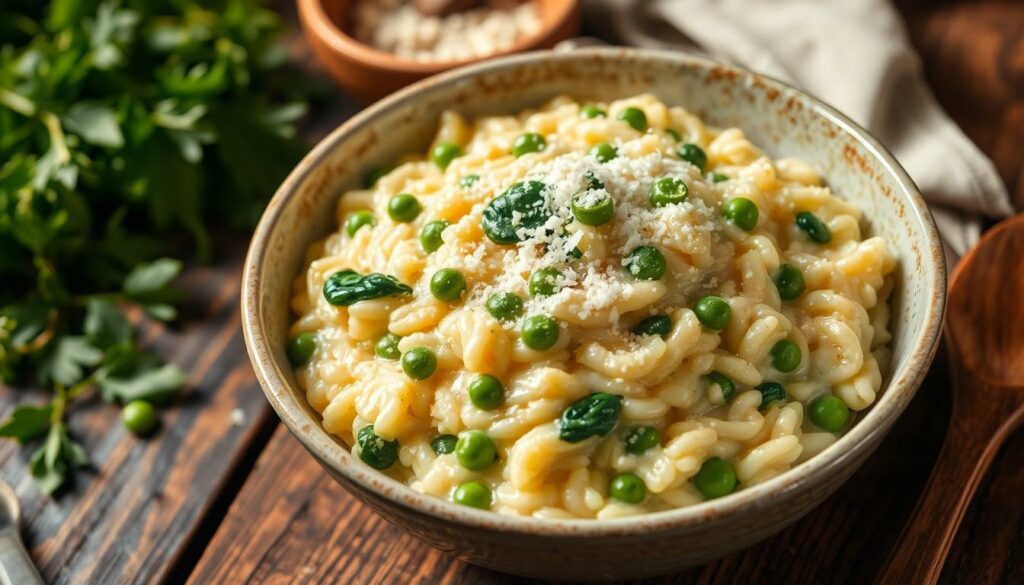
Arborio rice contributes significant carbohydrates, providing energy and aiding digestive health. Olive oil, often used in preparation, supplies healthy fats that support cardiovascular health and improve nutrient absorption. Vegetables like spinach, peas, or mushrooms not only enhance flavor but also add vitamins, minerals, and fiber, promoting overall wellness. Including seafood or lean poultry increases the protein content, creating balanced meals. Cheese, when included, adds flavor and calcium but should be used in moderation to keep calories in check.
Macronutrients
Rice typically contains around 45 grams of carbohydrates per cup, fueling energy needs. Protein levels soar when combined with seafood or meat, reaching up to 15 grams per serving. Additionally, healthy fats contribute roughly 8 grams, mainly from olive oil or cheese. Vitamins and minerals found in added vegetables can vary widely but often include potassium, magnesium, and vitamins A and C, enhancing overall health. A mindful balance of these macronutrients offers both nourishment and satisfaction.
Health Benefits of Risotto
Risotto offers several health benefits that often go unnoticed. Its ingredients contribute to well-being, making it a nutritious option.
Energy Source
Arborio rice, the main component, serves as a crucial energy source. Carbohydrates from this rice provide lasting energy, essential for daily activities. Each serving typically contains about 40 grams of carbohydrates. Consuming risotto helps sustain energy levels throughout the day. Enhanced energy levels support mental clarity and physical endurance. It’s particularly beneficial for individuals with active lifestyles or those engaged in rigorous workouts. The combination of Arborio rice and other wholesome ingredients ensures that risotto fuels the body effectively.
Digestive Health
Risotto supports digestive health, especially when made with whole grains or paired with vegetables. Whole grain options supply dietary fiber, which promotes regular bowel movements. Fiber content helps prevent constipation and supports a healthy gut environment. Including vegetables like spinach or peas boosts fiber, vitamins, and minerals. A variety of vegetables contributes to a more balanced diet and enhances nutrient absorption. Cooking risotto with nutrient-dense ingredients transforms it into a dish that aids digestion while providing essential nutrients. Prioritizing fiber-rich choices helps maintain overall digestive wellness.
Potential Drawbacks
Risotto, while nutritious, does present certain drawbacks that warrant consideration. Understanding these factors helps in making informed dietary choices.
Caloric Density
Risotto can contain significant calories due to its primary ingredient, Arborio rice. A typical serving measures around 200 to 300 calories, depending on added ingredients. Consuming multiple servings may lead to excessive calorie intake. Eating risotto regularly without portion control can interfere with weight management goals. Although risotto contains essential nutrients, moderation remains crucial to maintain a balanced diet.
Sodium Content
Sodium levels in risotto can elevate when certain ingredients are included. Broths and pre-packaged stocks often contain high sodium concentrations, which may contribute to increased blood pressure risks. Homemade versions allow for more control over sodium levels, offering healthier alternatives. Cheeses, while enhancing flavor, also add sodium, necessitating careful measurement. Opting for low-sodium broth and limiting salt will help in creating a heart-healthier dish.
Risotto can be more than just a comforting dish; it can be a nutritious option when prepared thoughtfully. By incorporating whole grains, a variety of vegetables, and lean proteins, it offers essential nutrients that support overall health. The balance of carbohydrates, healthy fats, and proteins makes it a satisfying meal that fuels the body without excessive calories.
Mindful preparation and portion control are key to maximizing its benefits while minimizing potential drawbacks. Choosing low-sodium ingredients and fresh produce can enhance its nutritional profile even further. Risotto can easily transition from a guilty pleasure to a wholesome dish that nourishes both body and soul.