
Nuts are nature’s little powerhouses, packing a punch of flavor and nutrition in every bite. Whether you’re munching on almonds during a movie or tossing walnuts into your salad, these crunchy delights are more than just a snack—they’re a nutritional goldmine. Who knew that something so small could be so mighty?
Overview Of Nuts Nutrition
Nuts provide various essential nutrients, making them a nutritious addition to any diet. Rich in healthy fats, they contain monounsaturated and polyunsaturated fats that support heart health. Fiber content in nuts also plays a crucial role in digestive health, promoting regular bowel movements and supporting gut health.
Protein found in nuts contributes to muscle repair and growth. Almonds, for instance, offer about 6 grams of protein per ounce. Vitally, nuts deliver important vitamins and minerals, including vitamin E, magnesium, and selenium, which support overall well-being.
Caloric density is notable in many nuts. For example, a one-ounce serving of macadamia nuts contains approximately 204 calories, primarily from healthy fats. Comparing varieties reveals that walnuts contain about 185 calories per ounce, while pistachios offer roughly 159 calories.
Table summarizing nutrition values for common nuts:
| Type | Calories (per oz) | Protein (g) | Fiber (g) | Healthy Fats (g) |
|---|---|---|---|---|
| Almonds | 164 | 6 | 3.5 | 14 |
| Walnuts | 185 | 4 | 2 | 18 |
| Hazelnuts | 178 | 4 | 3 | 17 |
| Pecans | 196 | 3 | 3 | 20 |
| Pistachios | 159 | 6 | 3 | 13 |
| Macadamia | 204 | 2 | 2 | 21 |
Eating nuts in moderation offers substantial health benefits. Regular consumption has been linked to reduced risks of chronic diseases, including heart disease and diabetes. Heart-healthy attributes and high antioxidant levels further underline the importance of nuts in nutrition.
Types Of Nuts
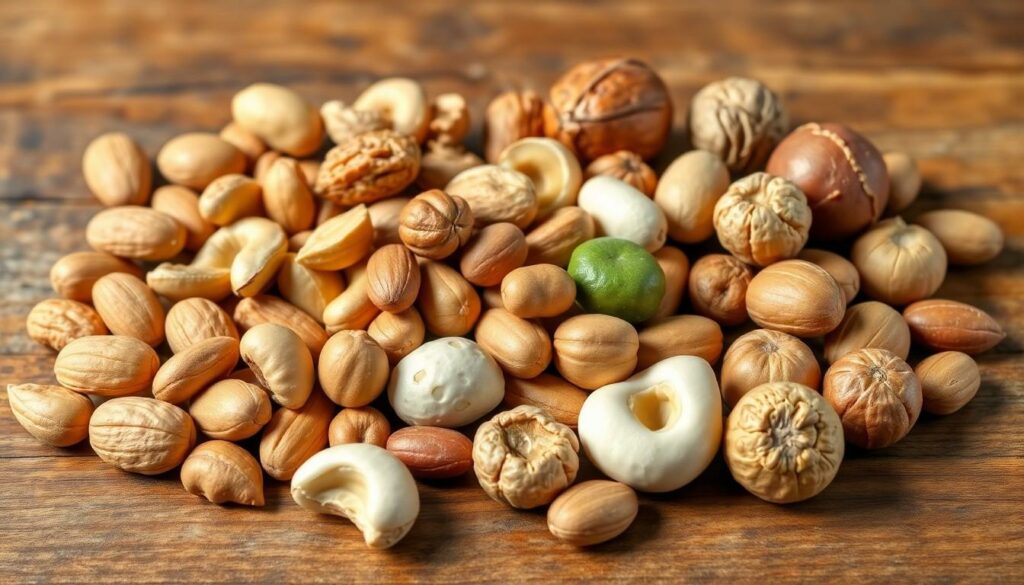
Nuts encompass a variety of types, each offering unique nutritional benefits. Common varieties include almonds, walnuts, cashews, pistachios, hazelnuts, and macadamia nuts. These nuts provide essential nutrients and contribute to heart health.
Common Nuts And Their Nutritional Profiles
Almonds contain about 6 grams of protein per ounce and provide 160 calories. They’re also rich in vitamin E and magnesium. Walnuts offer 4 grams of protein and 185 calories, along with omega-3 fatty acids beneficial for heart health. Pistachios deliver 6 grams of protein and 159 calories, featuring good amounts of potassium and fiber. Cashews contain 5 grams of protein and 157 calories, while hazelnuts provide 4 grams of protein and 178 calories per ounce.
Comparison Of Nutritional Values
| Nut Type | Protein (grams per ounce) | Calories | Healthy Fats (grams) |
|---|---|---|---|
| Almonds | 6 | 160 | 14 |
| Walnuts | 4 | 185 | 18 |
| Pistachios | 6 | 159 | 13 |
| Cashews | 5 | 157 | 12 |
| Hazelnuts | 4 | 178 | 17 |
| Macadamia Nuts | 2 | 204 | 21 |
Tables help visualize the differences in protein content, caloric density, and healthy fat levels among various nuts. This comparison underscores how each nut can fit into a balanced diet while offering unique health benefits.
Health Benefits Of Nuts
Nuts deliver numerous health benefits due to their rich nutrient profiles and unique components. Regular consumption supports overall wellness and reduces the risk of chronic diseases.
Nutrients Found In Nuts
Nuts contain essential nutrients such as protein, fiber, healthy fats, vitamins, and minerals. Almonds supply approximately 6 grams of protein and provide valuable vitamin E. Walnuts contribute omega-3 fatty acids, beneficial for brain function. Pistachios contain potassium, an important mineral for heart health. Cashews offer magnesium, which enhances muscle function. Hazelnuts’ high vitamin E content acts as an antioxidant. Each type of nut presents a combination of these nutrients, making them a versatile dietary choice.
Impact On Heart Health
Heart health improves with regular nut consumption. These foods are rich in monounsaturated and polyunsaturated fats, both known to lower bad cholesterol levels. Studies show that eating nuts reduces cardiovascular disease risk significantly. For example, a daily serving of walnuts may lower inflammation and support artery function. Antioxidants in nuts also fight oxidative stress, contributing to better heart health. Regular nut intake aligns with dietary guidelines advocating for heart-healthy habits.
How To Incorporate Nuts Into Your Diet
Incorporating nuts into your diet enhances nutrition and adds flavor. Adding nuts to breakfast provides a protein boost. Consider topping oatmeal or yogurt with sliced almonds or walnuts. Lunchtime salads become more filling with a handful of pistachios or cashews.
Snacking can also benefit from nuts; they serve as a healthy alternative to chips. A small portion, about one ounce, can satisfy hunger while delivering essential nutrients. Quick energy bars featuring chopped nuts offer a convenient on-the-go option.
Combining nuts with fruits, like apples or bananas, creates a delicious and nutritious snack. Including nut butters, such as almond or peanut butter, with whole-grain toast provides healthy fats and protein.
When cooking or baking, nuts add texture and flavor to various dishes. Consider incorporating chopped hazelnuts into baked goods or mixing ground nuts into meat or vegetable dishes.
Reading labels helps when purchasing nuts; avoid options with added sugars or unhealthy fats. Experimenting with different types of nuts enhances variety within the diet. Almonds, walnuts, and macadamia nuts each bring unique benefits.
Maintaining moderation in nut consumption is crucial due to their caloric density. Consuming about one ounce a day supports health without excessive calorie intake. Regularly including nuts in meals promotes overall wellness and aligns with dietary guidelines advocating for heart-healthy habits.
Nuts are a versatile and nutritious addition to any diet. Their unique blend of healthy fats protein and essential nutrients makes them a powerhouse for overall wellness. Incorporating a variety of nuts into daily meals can help support heart health and reduce the risk of chronic diseases.
With countless ways to enjoy them from snacks to main dishes nuts offer both flavor and health benefits. By embracing moderation and mindful consumption individuals can harness the nutritional power of nuts while enjoying their delicious taste. This simple dietary change can lead to significant improvements in health and well-being.