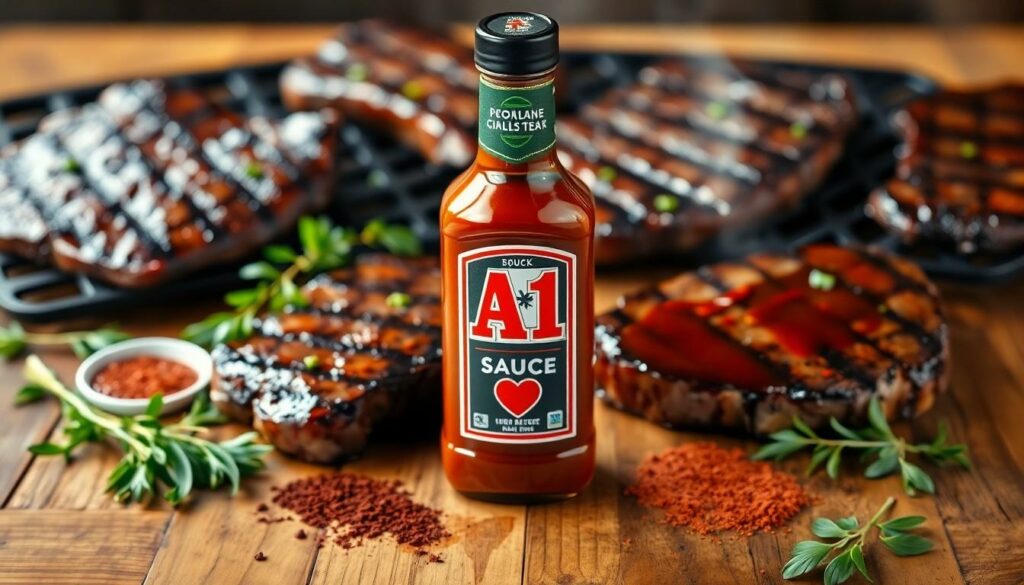
A1 Sauce: the secret ingredient that turns a regular steak into a culinary masterpiece. But before you slather it on your next grill session, have you ever wondered what’s really in that iconic bottle? It’s time to dive into the world of A1 Sauce nutrition, where flavor meets fun.
Overview of A1 Sauce
A1 Sauce serves as a popular condiment, particularly for grilled meats like steak. This sauce contains a blend of tomatoes, vinegar, and various spices, creating a tangy and robust flavor profile. Individuals often use it to enhance the taste of meals, making it a staple in many households.
Nutrition-wise, A1 Sauce contains approximately 15 calories per tablespoon. This low-calorie content allows users to enjoy its flavor without consuming excessive calories. Additionally, it contains 0 grams of total fat and 0 milligrams of cholesterol, making it a heart-friendly option for those watching their fat intake.
Sodium levels in A1 Sauce can be a concern for some. With about 160 milligrams of sodium per tablespoon, it constitutes roughly 7% of the recommended daily intake. Moderation becomes essential for individuals monitoring their sodium consumption.
The sauce includes sugars, with around 1 gram per tablespoon. This sugar content contributes to its slight sweetness while balancing the vinegar’s acidity. Overall, the combination of ingredients results in a flavorful sauce without contributing significant amounts of calories or unhealthy fats.
For those seeking a gluten-free option, A1 Sauce fits the bill. The manufacturer offers a gluten-free version, ensuring that individuals with gluten intolerance can enjoy this condiment. Knowledge of ingredient sources and nutrient values helps consumers make informed dietary choices.
Understanding the nutrition of A1 Sauce helps individuals incorporate it wisely into their diets. Awareness of its components allows for a balanced approach to flavor enhancement without compromising overall health.
Nutritional Profile of A1 Sauce
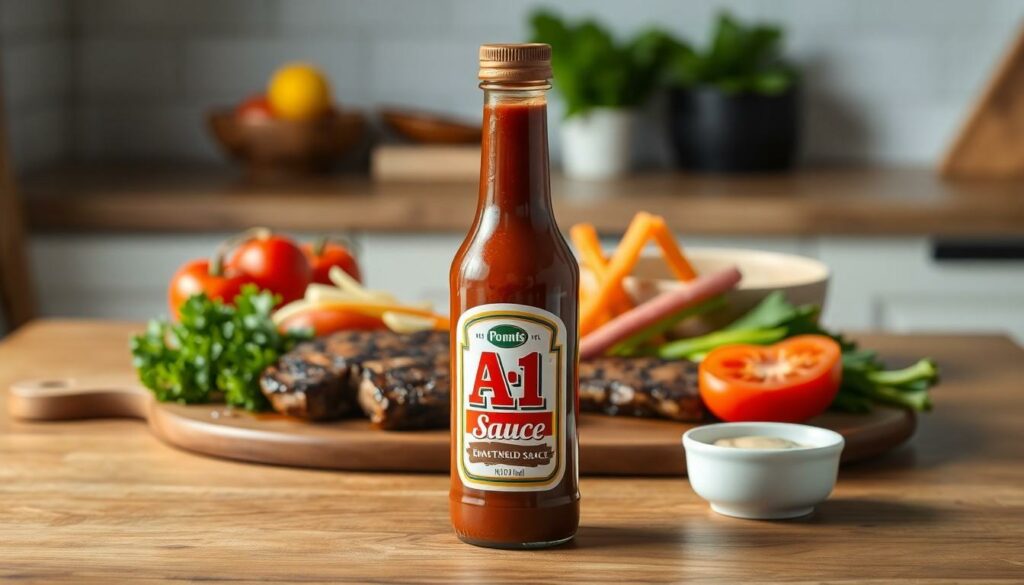
A1 Sauce offers a unique balance of flavor and nutrition. Understanding its nutrients helps integrate it into a balanced diet.
Caloric Content
A single tablespoon of A1 Sauce contains about 15 calories. Low in calories, it’s a suitable choice for enhancing meals without adding significant energy. Individuals seeking to manage their caloric intake can enjoy A1 Sauce without guilt. Its minimal caloric footprint makes it ideal for a variety of dishes. That calmed steak can suddenly become a culinary delight without the extra calories.
Macronutrients
A1 Sauce includes zero fat and cholesterol, contributing to a heart-healthy option. Each tablespoon contains merely 1 gram of sugar, giving it a slightly sweet profile. Sodium content sits at approximately 160 milligrams per tablespoon, which accounts for about 7% of the recommended daily intake. Those monitoring their sodium consumption should incorporate it selectively. This combination of low fats and sugars makes A1 Sauce a popular condiment choice.
Micronutrients
A1 Sauce does contain small amounts of vitamins and minerals, though it is not a primary source. Specifically, it provides trace amounts of calcium and iron, ensuring some nutritional value. Its blend of spices may offer antioxidants, contributing to overall health. While aiming for a balanced diet, consumers can appreciate the additional micronutrients in A1 Sauce. This makes it not just a flavor enhancer but a supplemental source of essential nutrients.
Ingredients in A1 Sauce
A1 Sauce contains a variety of ingredients that contribute to its distinctive flavor. Key components include a blend of tomatoes, vinegar, and various spices.
Common Ingredients
Tomato puree serves as the primary base, providing a rich and tangy foundation. Vinegar adds acidity for a zesty kick. Spices like garlic and onion powder enhance the overall flavor profile, while raisins and sugar offer a hint of sweetness. The sauce also includes salt and crushed tamarind, both essential for balancing taste. Overall, these ingredients create a complex taste that complements grilled and roasted meats effectively.
Potential Additives
A1 Sauce may contain additives like preservatives to enhance shelf life. Artificial flavors can be present to intensify the taste experience. Additionally, colors might be added to give the sauce its appealing appearance. For those concerned about dietary restrictions, checking the label is important, especially since formulations can vary. It’s worth noting that a gluten-free version is available, ensuring inclusivity for those with specific dietary needs. These additives play a significant role in maintaining freshness and flavor consistency.
Health Benefits of A1 Sauce
A1 Sauce offers several nutritional advantages that enhance its appeal. Low in calories, there’s only about 15 calories per tablespoon, making it a suitable option for those seeking to control their caloric intake. Heart health benefits stem from its lack of fat and cholesterol; this condiment supports healthier eating habits. Sodium levels stand at approximately 160 milligrams per tablespoon, which constitutes around 7% of the recommended daily limit. Moderation in usage helps those monitoring sodium consumption maintain balance.
Ingredient selection contributes additional health benefits. Tomato puree, the primary base, is rich in vitamins, especially vitamin C, and antioxidants that may help combat free radicals. Trace minerals such as calcium and iron also feature in A1 Sauce, supporting overall nutritional intake. Spices within the blend enhance flavor while potentially offering anti-inflammatory properties, making the sauce not only a taste enhancer but a valuable addition to a balanced diet.
A gluten-free version caters to those with specific dietary restrictions while still providing the same flavorful enhancement. One gram of sugar per tablespoon delivers a touch of sweetness without significantly impacting overall health. A1 Sauce enhances portions of steak or grilled meats effectively, allowing enjoyment of rich flavors without guilt. Reading labels ensures consumers can make informed choices regarding preservatives or additives. Ultimately, incorporating A1 Sauce into meals enhances not only flavor but also contributes to a balanced nutritional profile.
Considerations for Use
Considering the nutritional profile of A1 Sauce, it’s important to keep several factors in mind.
Moderation and Frequency
Moderation plays a key role in enjoying A1 Sauce. Each tablespoon contains approximately 160 milligrams of sodium, which is about 7% of the recommended daily intake. Frequent use can lead to exceeding sodium limits, especially for those managing their salt intake. Enjoying A1 Sauce occasionally can enhance flavor without overwhelming dietary goals. Balancing its use with other lower-sodium condiments can help manage overall sodium consumption effectively.
Dietary Restrictions
Dietary restrictions warrant careful consideration when using A1 Sauce. The gluten-free version makes it suitable for individuals with gluten intolerance. Reading labels for preservatives and artificial flavors is essential for those with specific sensitivities. Ingredients like tomatoes and vinegar generally remain safe for most diets, but allergic reactions can occur. Individuals with particular health concerns should consult product labels to ensure overall dietary compatibility.
A1 Sauce stands out as a flavorful and nutritious condiment that can elevate meals without adding excessive calories. With its heart-healthy attributes and gluten-free options, it caters to a wide range of dietary preferences. The balance of low calories and essential nutrients makes it a smart choice for those looking to enhance their dishes.
While its sodium content warrants moderation, enjoying A1 Sauce occasionally can offer both taste and health benefits. By incorporating it thoughtfully into a balanced diet, individuals can savor its unique flavor while maintaining their nutritional goals.