Udon noodles are more than just a delicious bowl of slurp-worthy goodness; they’re a nutritional powerhouse waiting to be discovered. These thick, chewy noodles have a way of turning a simple meal into a comforting culinary experience. But what’s lurking beneath that inviting surface? It’s time to dive into the nutritional benefits that make udon a staple in Japanese cuisine and a favorite worldwide.
Overview of Udon Noodles
Udon noodles are a staple in Japanese cuisine, appreciated for their thick and chewy texture. These noodles, made primarily from wheat flour, salt, and water, serve as a versatile base for various dishes. Popular preparations include udon soups, stir-fries, and cold salads, ensuring a rich culinary experience.
Nutritionally, udon noodles provide several benefits. One serving, typically around 200 grams, contains approximately 220 calories, making them a relatively low-calorie option. Udon noodles offer about 6 grams of protein per serving, contributing to daily protein intake. They are low in fat, with less than 1 gram per serving, appealing to those seeking heart-healthy options.
Carbohydrates are another primary component, with around 44 grams per serving. Carbohydrates supply essential energy for daily activities and exercise. However, they lack significant dietary fiber, providing only about 1 gram per serving, which suggests pairing them with fiber-rich vegetables for a balanced meal.
Vitamins and minerals also play a role in udon noodles’ nutritional profile. The noodles contain small amounts of essential nutrients, including iron and calcium. Despite their limited micronutrient content, they easily complement other ingredients rich in vitamins and minerals.
Overall, udon noodles stand as a delicious and nutritious food choice. Their versatility allows for endless pairing options, from savory broths to vibrant vegetable stir-fries, making them a favorite among many. Understanding their nutritional aspects aids in making informed dietary choices while enjoying a beloved culinary tradition.
Nutritional Profile of Udon Noodles
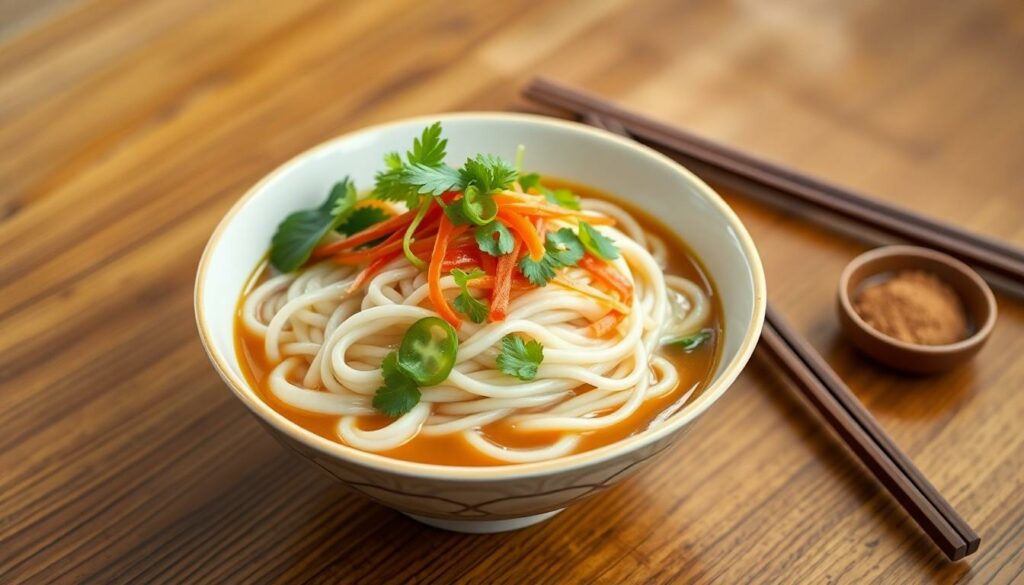
Udon noodles provide various nutritional benefits, contributing to their status as a popular dish. Their primary ingredients—wheat flour, salt, and water—constitute a nutritious food source.
Calories and Macronutrients
A typical serving of 200 grams contains approximately 220 calories. This caloric content includes about 6 grams of protein, supporting muscle maintenance and repair. Fats remain minimal, with less than 1 gram per serving. Carbohydrates play a significant role, delivering around 44 grams, which serves as a primary energy source. Udon noodles fit well into a balanced diet due to this macronutrient profile.
Vitamins and Minerals
Udon noodles contribute small amounts of essential vitamins and minerals. They supply iron and calcium, both important for bodily functions such as oxygen transport and bone health. Pairing udon noodles with fiber-rich vegetables enhances their nutritional value, providing additional vitamins such as vitamin A and vitamin C. This combination supports overall health and well-being.
Health Benefits of Udon Noodles
Udon noodles offer various health benefits that contribute to overall well-being. These nourishing noodles cater to specific dietary needs and preferences while enhancing meal enjoyment.
Supports Digestive Health
Udon noodles are easy to digest, making them a great choice for individuals with sensitive stomachs. Their soft, chewy texture allows for smooth passage through the digestive tract. While not high in dietary fiber, pairing them with fiber-rich vegetables significantly boosts fiber content. Incorporating ingredients like leafy greens or carrots enhances gastrointestinal function and promotes regularity. A balanced meal with udon noodles and vegetables aids in maintaining digestive health.
Provides Energy for Active Lifestyles
Udon noodles serve as an excellent energy source, primarily due to their carbohydrate content. Each 200-gram serving contains about 44 grams of carbohydrates, fueling both physical and mental activities. Athletes or active individuals benefit from this energy boost, especially before workouts or sports events. Additionally, they can be easily customized to include protein and healthy fats, further enriching the energy profile. Such versatility ensures udon noodles remain a staple for those maintaining an active lifestyle.
Potential Drawbacks of Udon Noodles
Udon noodles, while nutritious, do carry some potential drawbacks that warrant consideration. High carbohydrate content poses a concern for individuals monitoring their carb intake. A typical serving of udon provides around 44 grams of carbohydrates. Although carbohydrates are essential for energy, excessive consumption may lead to weight gain and blood sugar spikes. Balance is key for those concerned about their overall health.
Gluten sensitivity is another key issue associated with traditional udon noodles. Wheat flour serves as the primary ingredient, making these noodles unsuitable for those with celiac disease or gluten intolerance. Various gluten-free alternatives exist, such as rice noodles made from rice flour or even vegetable-based noodles, offering different textures. Understanding these alternatives allows individuals to enjoy similar dishes without compromising their dietary restrictions.
Udon noodles offer a delightful combination of taste and nutrition. Their chewy texture and versatility make them a favorite in many dishes. With a solid calorie count and essential carbohydrates they provide energy while being low in fat.
Incorporating udon noodles into meals can enhance both flavor and nutritional value especially when paired with fiber-rich vegetables. While they may not be suitable for everyone due to gluten content their benefits for active individuals are clear.
Overall udon noodles stand out as a heart-healthy option that can be enjoyed in various culinary creations.