
Crab lovers unite! If you’ve ever savored the sweet, succulent meat of a crab, you might’ve wondered whether indulging in this ocean delicacy is a health win or a culinary sin. With its rich flavor and impressive texture, crab isn’t just a treat for the taste buds; it might also be a treasure trove of health benefits.
Nutritional Benefits of Crab
Crab offers several nutritional benefits, making it a healthy seafood option. It contains essential nutrients that contribute to overall wellness.
Protein Content
Crab is a rich source of high-quality protein. Consuming 3 ounces of cooked crab provides about 17 grams of protein. This amount supports muscle growth and repair. It’s lower in calories compared to other protein sources, such as beef or pork, containing approximately 80 calories per serving. Eating crab helps individuals meet their daily protein needs without excessive calories.
Vitamins and Minerals
Crab is packed with essential vitamins and minerals. Each serving contains significant amounts of vitamin B12, critical for nerve function and red blood cell production. Additionally, it provides zinc, promoting a healthy immune system. With other minerals like selenium, crab contributes to antioxidant activity, reducing oxidative stress. Including crab in the diet ensures a boost of important nutrients that support various bodily functions.
Health Risks Associated with Eating Crab
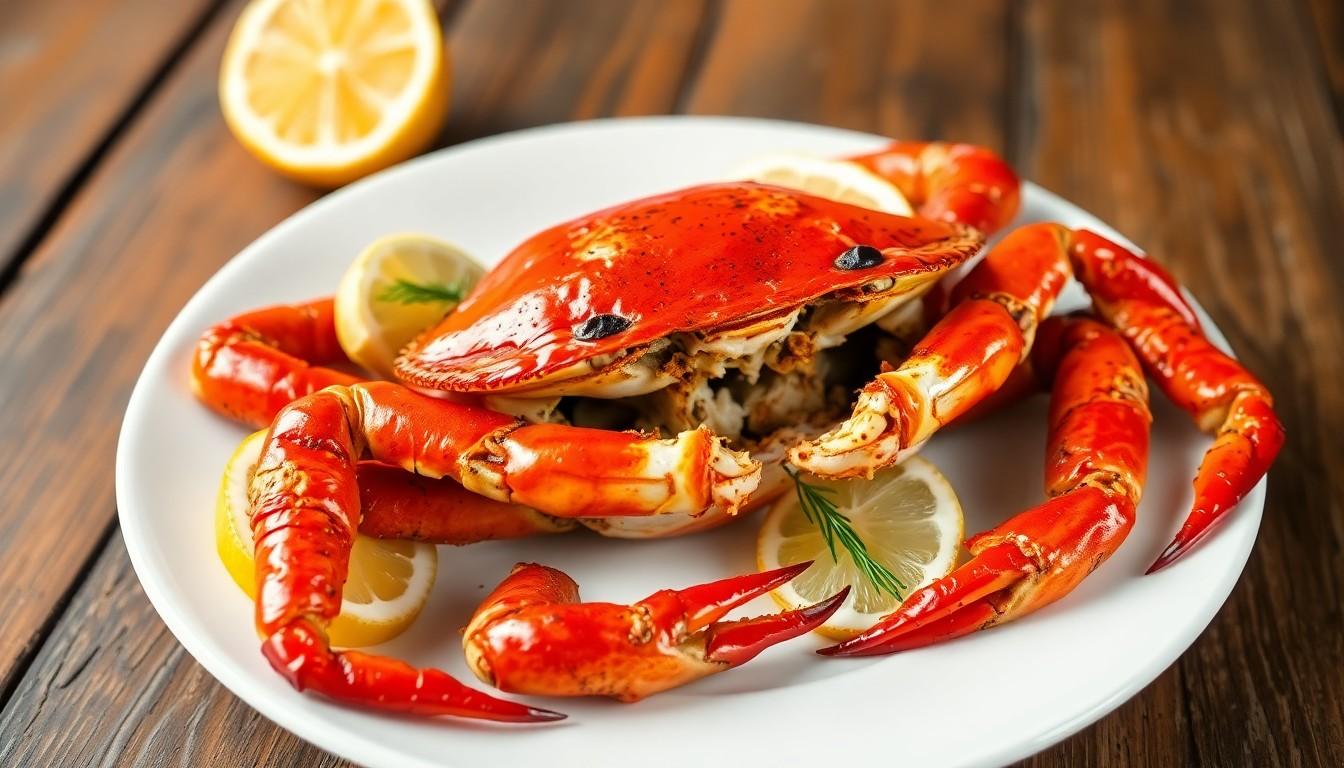
Eating crab can pose certain health risks, despite its nutritional advantages.
Allergies
Crab allergies affect a significant number of individuals, manifesting with symptoms such as hives, difficulty breathing, and gastrointestinal issues. Shellfish ranks among the top allergens, often leading to severe reactions. People with other shellfish allergies may also experience cross-reactivity with crab. It’s essential for those with known allergies to avoid crab entirely to prevent life-threatening situations. Recognizing symptoms early aids in seeking immediate medical attention.
Contaminants
Contaminants in crab can impact health negatively. Heavy metals like mercury and lead are common in certain crab species, especially those from polluted waters. Consuming contaminated crab increases the risk of neurological damage and other health problems. Regular monitoring for contaminants is crucial for seafood safety. Additionally, crab from unregulated sources may carry harmful bacteria, leading to foodborne illnesses. Choosing crab from reputable suppliers minimizes these risks and ensures quality consumption.
Types of Crab
Crab encompasses various species, each with distinct characteristics and flavors. Understanding these types helps in making informed dietary choices.
Blue Crab
Blue crab is popular along the Atlantic coast, renowned for its sweet, tender meat. This species thrives in brackish waters and is typically caught in the summer months. Three ounces of blue crab provide approximately 14 grams of protein and 71 calories, making it low in calories and rich in nutrients. The crab also contains vitamin B12 and selenium, essential for maintaining good health. Enjoyed in dishes like crab cakes and soups, blue crab is a versatile option for seafood lovers.
King Crab
King crab is celebrated for its large size and rich, succulent meat. Found primarily in the North Pacific Ocean, it is a popular choice in gourmet meals. A serving of three ounces delivers about 19 grams of protein and 80 calories, showcasing its nutritional value. The meat contains vital nutrients, including copper and omega-3 fatty acids, which support heart health. King crab legs are often served steamed or grilled, allowing the natural flavors to shine through in each bite.
Environmental Impact of Crab Consumption
Crab consumption can have significant effects on marine ecosystems. Sustainable practices play a crucial role in minimizing this impact.
Sustainability
Fisheries that utilize sustainable methods aim to preserve crab populations and protect their habitats. By adopting quotas and implementing seasonal fishing limits, these practices help maintain balance in marine environments. Crab farms also contribute to sustainability, providing a controlled breeding environment that reduces pressure on wild stocks. Research shows that sustainable crab sources can help ensure the longevity of crab species, allowing for continued consumption without jeopardizing future populations.
Ethical Sourcing
Ethical sourcing focuses on transparency and integrity throughout the supply chain. Consumers increasingly demand information about the origins of their seafood. Sourcing crabs from certified fisheries reinforces responsible fishing practices and supports communities engaged in these sustainable methods. Organizations like the Marine Stewardship Council offer certifications for suppliers, ensuring crabs come from fisheries that prioritize ecological balance and social responsibility. This approach not only supports healthy ecosystems but also fosters fair labor practices in the industry.
Eating crab can be a flavorful and nutritious choice when done mindfully. Its high protein content and essential vitamins make it a beneficial addition to a balanced diet. However, it’s crucial to consider potential health risks like allergies and contaminants. By sourcing crab from reputable suppliers and being aware of the environmental impact, consumers can enjoy this seafood delicacy while supporting sustainable practices. Making informed choices ensures that crab remains a healthy option for those who appreciate its unique taste and nutritional benefits.